The Business Model Behind Skin Betting Platforms: Risk, Reward, and Revenue
-
The Business Model Behind Skin Betting Platforms: Risk, Reward, and Revenue

Global online gambling revenue continues to grow, yet traditional platforms are hitting a ceiling. According to the UK Gambling Commission, stricter regulations and market maturity have slowed expansion in several established regions. Operators are dealing with tighter compliance rules, rising costs, and users who are harder to keep engaged. It’s a crowded room, and everyone’s trying to speak louder.
That pressure has pushed some operators to look elsewhere, often toward gaming ecosystems where digital items already hold real value. One example often cited in discussions is MM2 gambling, where in-game skins become the center of wagering activity. These platforms don’t just mimic casinos, they reshape the experience into something more interactive, more social, and frankly, a bit more unpredictable in how people engage.
The Problem: Saturation and Regulation
Traditional gambling platforms have a visibility problem. Everyone offers similar games, similar bonuses, and similar interfaces. Over time, users grow numb to it. Add stricter advertising rules and identity verification requirements, and onboarding becomes slower and less appealing.
There’s also a trust factor. After years of controversies and regulatory scrutiny, many users approach classic online betting sites with caution. Fair or not, the perception sticks. Operators are left balancing compliance with the need to create something that doesn’t feel stale.
And then there’s competition. Not just from other casinos, but from mobile games, streaming platforms, and social media. Attention is fragmented. People don’t sit in one place anymore, they scroll, click, leave, come back. Traditional gambling models weren’t really built for that kind of behavior.
The Solution: Gamified Ecosystems and Skin-Based Wagering
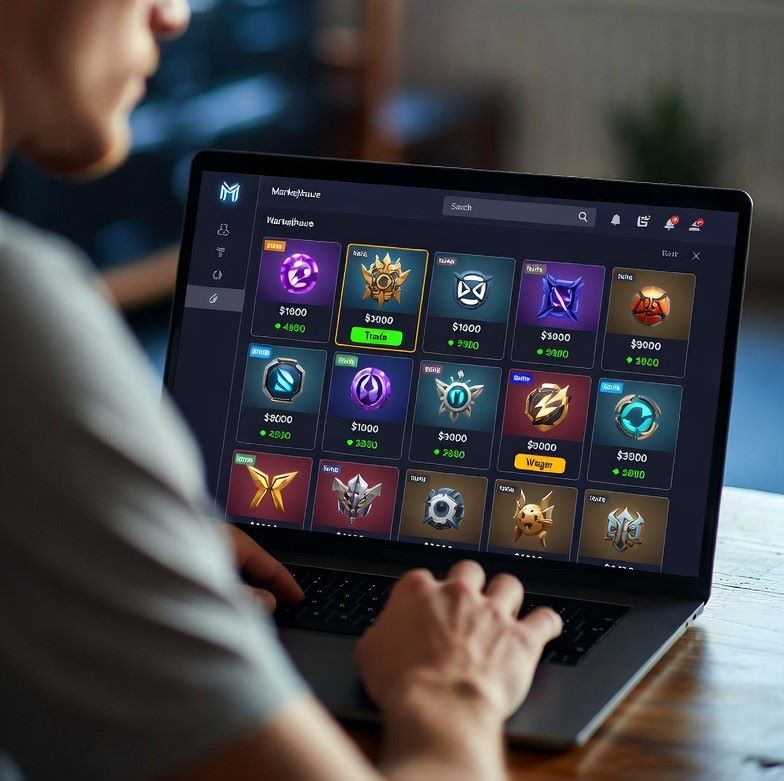
Skin betting platforms step into that gap by blending gaming culture with wagering mechanics. Instead of chips or cash balances, users trade and bet with virtual items, often cosmetic skins from popular games. These items already have established marketplaces, which gives them a perceived value before any betting even begins.
It feels different. Less like sitting at a digital blackjack table, more like participating in a community-driven exchange. There’s chat, trading, and sometimes even a sense of identity tied to the items you hold. People aren’t just betting, they’re collecting, showing off, and occasionally making questionable decisions at 2 a.m. It happens.
According to a report by the Gambling Commission, skin betting emerged as a byproduct of digital item economies, where third-party platforms enabled users to stake virtual goods outside official game environments. That origin story matters because it explains why these platforms feel organic rather than forced.
How Platforms Monetize Engagement
Here’s where things get interesting. Platforms like mm2.bet don’t rely solely on traditional house edges. Their revenue streams are layered, and sometimes subtle. This aligns with how modern gambling enterprises structure their operations, focusing on consistent engagement, diversified income streams, and scalable digital systems rather than one-dimensional betting models.
User Retention Through Interaction
Retention isn’t just about offering games, it’s about keeping users involved. Skin betting platforms often include leaderboards, chat systems, and community events. These features create a loop. You log in to check your items, stay to watch a match, then maybe place a small wager. It’s less transactional, more habitual.
Some users treat it almost like a hangout space. That kind of engagement is valuable. The longer someone stays, the more likely they are to participate in some form of betting or trading.
Microtransactions and Fees
Instead of large, one-time bets, many platforms benefit from smaller, frequent transactions. Deposits, withdrawals, and trades often come with minor fees. Individually, they seem negligible. Collectively, they add up.
It’s a bit like buying snacks at a convenience store. You don’t notice the total until later. Except here, the “snacks” are digital knives or rare skins with fluctuating value.
Peer-to-Peer Betting Dynamics
Another key element is peer-to-peer wagering. Users bet against each other rather than the platform itself. This shifts the dynamic. The platform acts more like a facilitator, taking a cut from each interaction.
This model can reduce direct risk for the operator while still generating consistent revenue. It also introduces variability. Outcomes depend on user behavior, which keeps the experience from feeling overly controlled.
Insights for Entrepreneurs Entering the Space
Anyone looking to enter this market should pay attention to the balance between engagement and responsibility. The model works because it feels natural to users, but that same quality can raise ethical concerns if left unchecked.
Compliance is still a factor. Regulations around digital assets and gambling are evolving, and what works today might not hold tomorrow. Building flexible systems is crucial.
There’s also the question of sustainability. Trends shift quickly. A platform tied too closely to one game or item economy may struggle if that ecosystem declines. Diversification, both in offerings and user base, can help mitigate that risk.
And then there’s trust. Always trust. Transparent systems, fair mechanics, and clear communication go a long way. Users are more informed now. They ask questions, they compare platforms, and they leave if something feels off.
Final Thoughts
Skin betting platforms represent a shift in how gambling models can evolve. They borrow from gaming culture, lean into community interaction, and monetize behavior in ways that feel less rigid than traditional systems. References to MM2 gambling often highlight this blend of entertainment and wagering, where value is tied as much to experience as it is to outcome.
Still, it’s important to acknowledge the risks. Gambling, whether with money or digital items, carries the possibility of loss. Outcomes are never guaranteed, and participation can become harmful if not managed carefully. Organizations like the National Council on Problem Gambling emphasize the importance of setting limits and recognizing warning signs early.
For users and entrepreneurs alike, the key is awareness. Understand the system, respect the risks, and approach it with a level head. The space is evolving, and while the opportunities are real, so are the challenges.